FOOD AI GUIDE
How Accurate Are AI Calorie Counters?
An AI calorie counter can give you a useful estimate from a photo, but it cannot see every ingredient or know an exact portion from one image.
AI calorie counters provide estimates, not guaranteed exact measurements. Their usefulness depends on how clearly the food and portion are visible.
VISIBLE vs HIDDEN
VISIBLE
- Food type and visible components
- Rough portion relationships
- Plate and meal context
HIDDEN / UNCERTAIN
- Oil, butter, and sauces
- Exact ingredient weights
- Recipe composition inside mixed dishes
Why the same meal can produce different estimates
An AI calorie counter is working from a picture, not from a kitchen scale. That distinction explains most of the variation people see. A photo can show that a plate contains chicken, rice, vegetables, and a sauce. It cannot directly reveal how much oil was used in the pan, how tightly the rice was packed, or whether the chicken was brushed with butter after cooking.
Portion size is usually the biggest visible variable. Two bowls may look alike from above while holding very different amounts. A low camera angle may make a shallow plate look fuller; a close crop may hide the edge of the serving. Mixed foods create another problem. A curry, casserole, burrito bowl, or pasta dish may contain several ingredients that cannot be separated visually.
Photo angle changes the clues too. A top-down image can show the shape of a serving, but not always its depth. A side angle can show height while hiding what sits underneath. Neither view turns a picture into a scale, so the best estimate is still one you compare with the portion you remember eating.
Preparation matters as well. “Chicken” might mean grilled chicken breast, breaded chicken, or chicken covered in a creamy sauce. “Potato” might be boiled, roasted with oil, or fried. The picture helps identify the visible food, but the person who ate it still knows details the image cannot know.
Accuracy is not one number
There is no honest universal accuracy percentage for every AI calorie counter. Results depend on the food, the photograph, the portion, the recipe, and the information available for review. A clear plate of separate foods gives the system more useful visual clues than a dark photo of a mixed stew. A packaged snack with a nutrition label has a different standard of certainty from a restaurant dish with unknown ingredients.
That is why a useful question is not “Is the app accurate?” in the abstract. Ask instead: “How much of this meal can a photo actually show, and what information do I need to add?” A photo estimate can be a practical starting point even when it cannot be a laboratory measurement.
What the camera can help with
The image can often help organize visible food types, visible meal components, rough relationships between portions, and the context of the plate. It can distinguish a bowl of rice beside grilled chicken more easily than it can identify every ingredient inside a blended sauce. It may also give you a faster first pass for a meal that would otherwise be annoying to rebuild item by item.
Review is part of the method, not an optional extra. Look at the meal name, the visible foods, the serving size, and the preparation method. If the result says chicken but your meal was breaded and fried, correct the entry. If you left half the rice or did not use the dipping sauce, adjust what was actually eaten.
Mixed dishes deserve a slower check than a plate of separate foods. In a burrito bowl, the rice may be hidden under beans and toppings. In pasta, the sauce may carry more uncertainty than the noodles. The point is not to reject the estimate; it is to identify which part of the meal is carrying the most guesswork.
What makes an estimate more useful
Take the full plate in ordinary light. Keep sauces, drinks, and side dishes in the frame. For shared food, photograph your own serving rather than the entire table. When a dish is layered or mixed, write down the details the picture misses: the main protein, the amount of rice or pasta, the sauce, and whether oil or butter was obvious.
A three-second review often adds more value than chasing a more impressive-looking number. Ask: Was the portion full or partly eaten? Was the food grilled, fried, or coated? Did I eat the extras? Those answers turn a generic visual estimate into a log that better matches the meal in front of you.
Good lighting helps, but it cannot solve hidden information. A bright photograph of a salad still cannot tell whether the dressing was made with a light vinaigrette or a generous amount of oil. That is a detail worth entering or adjusting yourself when you know it.
More controlled sources versus faster estimates
When a package label exists, use it. When you cooked a recipe with weighed ingredients, the ingredient calculation is the stronger record. Official restaurant nutrition information is preferable when the restaurant publishes it. Photo logging becomes useful when those details are unavailable: a takeout bowl, an unfamiliar restaurant plate, or leftovers that are difficult to reconstruct.
Memory is the least useful option because it removes even the visual evidence. That does not make a photo perfect. It makes the photo a better starting point than guessing after the meal is gone. If a package label or measured recipe is available, use that source instead; the goal is to use the most controlled information the situation actually gives you.
Two meals, two standards
Imagine a grilled chicken plate with rice, avocado, and a small cup of sauce. The photo can show the four components. You can review whether the chicken is breaded, whether the rice fills half the plate or a small corner, and whether the sauce was eaten. The remaining uncertainty is mostly in hidden oil, recipe details, and the true weight of each portion.
Now compare a homemade pasta meal prepared from a measured recipe. You know the dry pasta, oil, cream, and cheese that went into the pot. A photo may be convenient, but weighing the finished recipe and logging the serving is more controlled. The right method changes with the information you have.
What “good enough” means in daily tracking
For everyday tracking, good enough means the estimate is honest about its limits, reviewed before saving, and useful for comparing meals over time. It does not mean pretending every number is exact. A consistent record that identifies repeated large portions or frequent sauces can teach you more than a perfect-looking number saved once and then abandoned.
Use the photo when it removes real friction, and use labels or measured ingredients when precision matters more. Food AI fits into that middle ground: it can help turn a visible meal into a reviewable estimate, while the final judgment remains with the person who knows what was on the plate.
A useful way to judge an estimate is to separate visible evidence from assumptions. The plate may clearly show two pieces of chicken and a scoop of rice. The amount of oil, the recipe used for the sauce, and the weight of the rice are assumptions unless you can check them another way. This distinction prevents a neat-looking result from receiving more confidence than it deserves.
Think about the purpose of the log as well. If you are comparing your usual lunch with a new takeout meal, a reviewed estimate can be useful. If you are recording a measured recipe for a controlled plan, the scale and ingredient list should take priority. Different situations call for different levels of control.
That is also why a single test meal cannot establish how an app will perform for everyone. One person may mostly photograph separate foods in good light; another may photograph soups, casseroles, drinks, or shared dishes. The food pattern changes the problem before the software ever sees the image.
What to carry into your next meal
The honest standard is not perfection. It is knowing what the image supports, what it leaves out, and when a label, scale, or restaurant source deserves more trust.
For context, image-based dietary assessment remains an active research area; see the systematic review of digital image assessment methods and the study of calorie estimation from food images.
FOOD AI PRODUCT NOTE
Start with the meal in front of you
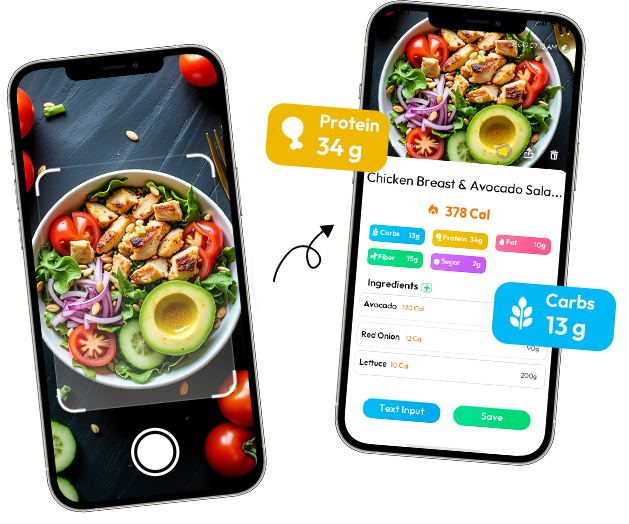
Food AI can identify visible meal components and provide a calorie and nutrition estimate to review before logging.
Explore the relevant Food AI tool →