FOOD AI GUIDE
How to Estimate Restaurant Meal Calories
Restaurant meals are hard to log because you can see the plate but usually not the oil, butter, sauce, or exact serving size used in the kitchen.
Check official restaurant information first. If it is unavailable, break the plate into its main, sides, sauces, drinks, and cooking fat before using a photo estimate.
RESTAURANT ESTIMATION LADDER
- Restaurant nutrition information
- Known ingredients + portion estimate
- Photo-based estimate
- Rough memory or guess
BREAK THE PLATE APART
Main item+ Side+ Sauce+ Drink+ Cooking fatStart with the restaurant’s own information
If a restaurant publishes nutrition information for the exact menu item, start there. It is usually a better source than trying to reverse-engineer a plate from a photograph. Check whether the number includes sides, dressing, sauces, and the size you ordered. A menu item and the meal that arrives at the table are not always the same combination.
When no official information exists, move from what is known to what is uncertain. Identify the main item, compare its portion with a familiar serving, then account for sides, sauces, drinks, and cooking fat. The aim is a reasonable record, not a false sense of precision.
Break the plate apart
A burger with fries and a drink is not one ingredient. It is a main item, a side, sauces or toppings, a beverage, and preparation choices that may not be visible. A salad may look light while dressing and cheese add a large share of the meal. A grilled entrée may be finished with butter after it leaves the grill.
Write down the visible parts before estimating. This simple decomposition prevents the common error of logging only the headline item and forgetting the foods that arrived beside it.
Hidden calories live in preparation
Oil, butter, dressing, glaze, cheese, and fried coatings can change the result without changing the shape of the meal. A chicken breast and a breaded chicken cutlet both look like chicken in a photo. Fries can vary in thickness and oil absorption. A sauce may be mixed through the dish or served on the side.
Ask what you know and what you do not. If the sauce was untouched, do not log the same amount as if it covered the plate. If the meal was fried, record that preparation rather than choosing a generic grilled entry.
Portion size matters more than the menu name
“Pasta” does not tell you whether the plate contains a small lunch portion or a deep restaurant bowl. Compare the food with the plate, your hand, or a familiar serving only as a rough visual reference. The comparison will not make the estimate exact, but it is better than assuming every restaurant serves the same amount.
Side dishes deserve the same attention. A burger meal may include a handful of fries, a full basket, or an extra dipping sauce. The drink may be water, a small soda, or a sweetened specialty drink. These choices can matter more than a garnish.
Build a useful record, not a precise-looking fiction
When important details are unknown, use a cautious description in your own notes and avoid treating the result as exact. The uncertainty is higher for creamy mixed dishes, fried food, large shared plates, and meals with several sauces. It is lower when the restaurant gives official information or the dish contains clear, separate components.
A photo helps because it preserves the plate you actually received. Review it alongside what you remember: how much you ate, what was left, and which extras were consumed.
Example: burger, fries, sauce, and drink
The photo shows a burger, a side of fries, a small sauce cup, and a drink. The burger’s visible ingredients are easy to describe, but the cooking fat, cheese amount, and bun size may be uncertain. The fries are visible, yet their oil and serving weight are not. The sauce is included only if you used it, and the drink depends on its actual size and contents.
Log the meal as separate parts, review the portions, and adjust what you know. If the restaurant has nutrition information for the burger but not the sides, use the official item where it applies and estimate the rest. Mixing reliable and uncertain information is more honest than pretending the entire meal has one certainty level.
Where photo tracking fits
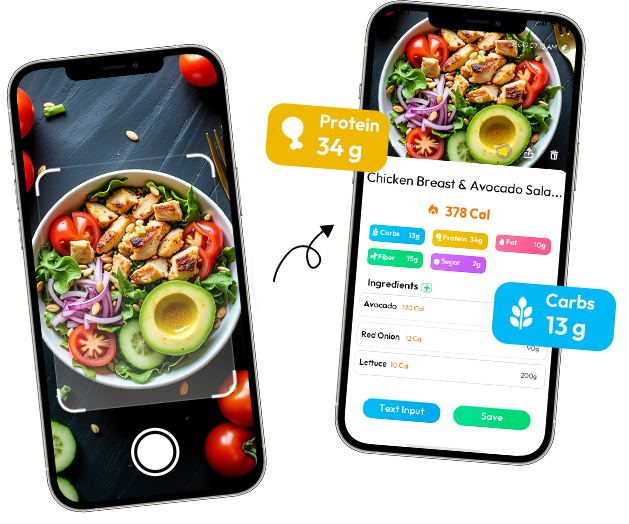
Food AI can provide a faster starting estimate when a restaurant has no useful nutrition menu and rebuilding the meal manually would take too long. Use the image to identify visible foods, then review the portion and hidden preparation details. For a packaged meal or chain menu with clear official data, use that information instead.
Eating out does not require a perfect number to be worth recording. A reviewed estimate can help you compare patterns across restaurant meals while keeping the limitations visible.
It helps to separate what you can change from what you can only estimate. You can choose whether to finish the fries, use the sauce, or drink the full beverage. You cannot usually know how much oil the kitchen used. Recording the first set accurately and acknowledging the second set keeps the meal log grounded in reality.
Takeout containers create another useful checkpoint. Photograph the meal before mixing it together, note whether the container is full, and record leftovers after eating. A curry with rice may look like one dish once stirred, but the original photo can help you remember how much rice, protein, and sauce were present.
Use the photo as a record of what arrived
Restaurant meals often change after ordering: a side is larger than expected, dressing comes already mixed, or the drink is refilled. A photo taken before eating gives you a reference for the original plate. Afterward, note what remained. That combination is more useful than trying to reconstruct the meal from a menu name the next morning.
The same approach works for delivery. Keep the receipt or menu description when available, use the image to separate the components, and be conservative about details the restaurant does not disclose. You are building a practical estimate from evidence, not claiming to know the kitchen’s recipe.
When the meal is shared, estimate your own plate rather than the whole order. A table photograph can document the occasion, but it cannot tell you how much of the fries or sauce reached your plate. Your portion is the unit that belongs in the log.
What to carry into your next meal
Restaurant logging works best as a transparent estimate: record the parts you can identify, use official information where available, and leave room for the kitchen details you cannot see.
FOOD AI PRODUCT NOTE
Start with the meal in front of you
Food AI can identify visible meal components and provide a calorie and nutrition estimate to review before logging.
Explore the relevant Food AI tool →