NUTRITION / MACROS
Can AI Estimate Protein From a Meal Photo?
You photograph a chicken-and-rice bowl and the app returns a protein estimate. The number looks simple, but the photo never contained grams of protein. It contained visual clues that had to be interpreted first.
Yes, a meal photo can provide a useful protein estimate. It depends on identifying the food, judging the portion, recognizing the preparation, matching nutrition information, and reviewing the result before saving.
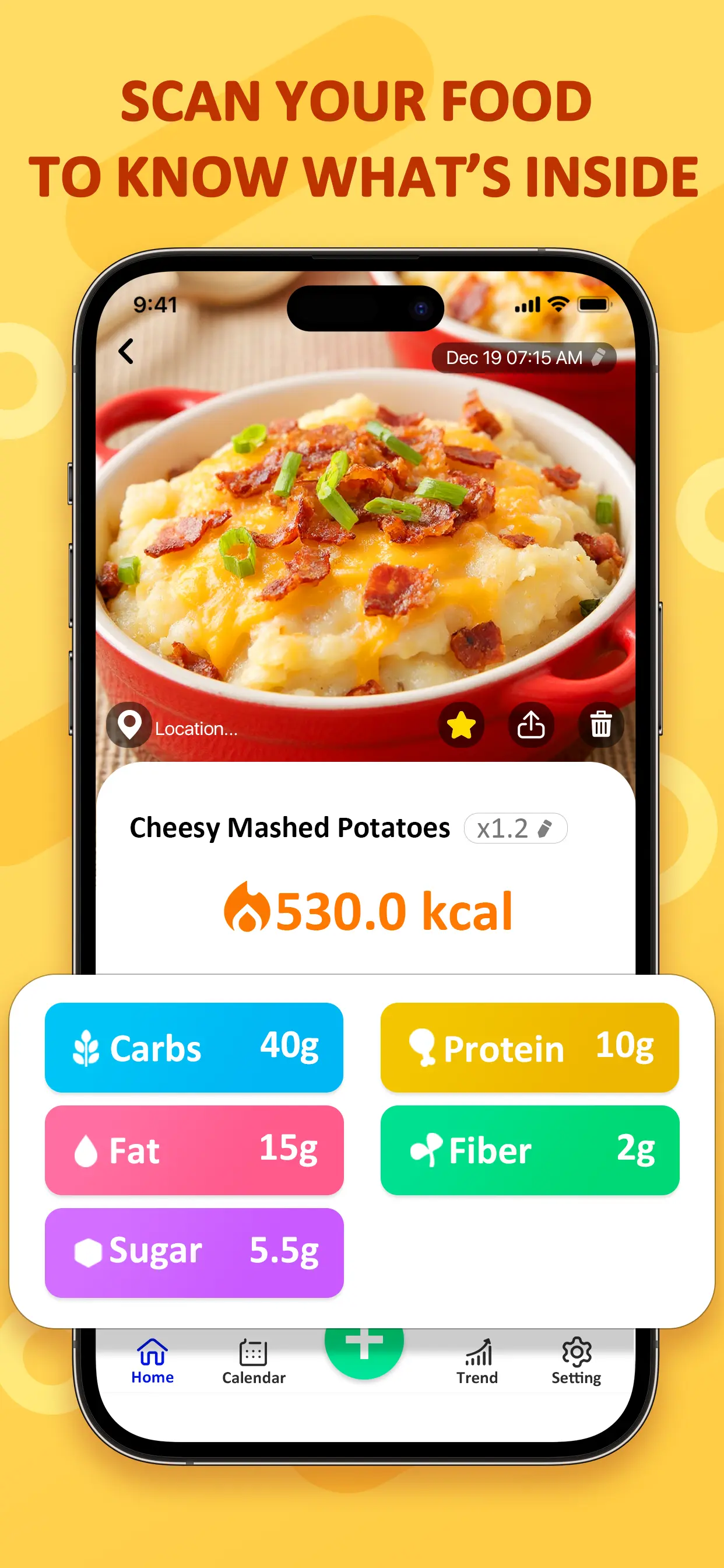
AI does not see protein directly
Protein is not a visible layer on a plate. A camera can show a salmon fillet, tofu cubes, eggs, rice, and sauce, but it cannot directly read the number of protein grams in the meal. The estimate has to be built from what the image suggests about the food and its amount.
The practical chain looks like this:
IMAGE
The photo provides color, shape, texture, arrangement, and plate context.
FOOD IDENTITY
The system proposes what the visible items are.
PORTION
The visible amount is translated into an approximate serving.
Preparation and nutrition matching come next. The result is a protein estimate, not a laboratory measurement. That wording is not a technicality; it tells you how to use the number. It can help you keep a meal record moving, but it should remain open to review.
Food identification comes before the protein estimate
If the food identity changes, the protein reference changes with it. A system that sees chicken breast is working from a different nutrition starting point than one that sees turkey. Tofu and paneer can look similar in a mixed dish, yet their nutrition profiles are not interchangeable. Plain yogurt is also a different entry from sour cream, even when both appear as a white topping.
That is why recognition is the first meaningful checkpoint. Look at the suggested food names before looking at the protein number. Does the plate actually contain eggs, beans, fish, chicken, or a plant-based alternative? Are there two protein sources rather than one?
The broader recognition process is explained in How AI Food Recognition Works. For this topic, the important point is short: protein is calculated downstream from food identity. It is not inferred independently from a color or shape.
Similar foods can lead to different references
Consider a lunch bowl with white pieces, a grain, and vegetables. Those pieces may be chicken, fish, tofu, or a breaded substitute. The photo may support a likely choice, but the person who cooked or ordered the meal has better information about the ingredient. When you know the answer, use it during review.
Portion size matters as much as food type
Even a correct food label can produce the wrong protein estimate if the portion is wrong. One hundred grams of chicken and one hundred eighty grams of chicken are the same food but not the same amount. A small scoop of cottage cheese and a full bowl can share a label while contributing very different totals.
A single phone photo makes weight difficult to infer. Plate diameter gives some scale, but bowl depth, food height, camera perspective, overlap, and how tightly the food is packed remain uncertain. A top-down photo shows surface area well; it tells you less about depth. A side angle shows height but can hide the food behind the front edge.
Before saving, compare the suggested serving with what was actually served. Was the chicken a thin layer or the main part of the bowl? Was the yogurt a few spoonfuls or most of the container? Did you finish it? A quick portion correction is often more useful than searching for a more precise-sounding food name.
Protein estimates depend on both identity and amount. “Chicken” is not enough; the estimate also needs a reasonable idea of how much chicken was eaten.
Preparation changes the nutrition match
The right ingredient with the wrong preparation can still lead to a poor result. Grilled chicken, breaded chicken, and fried chicken all begin with chicken, but the coating and cooking fat change the complete nutrition match. The same issue appears with potatoes: boiled, roasted with oil, and fries should not be treated as one interchangeable entry.
Yogurt offers another everyday example. Plain Greek yogurt, sweetened yogurt, and yogurt covered with granola may look like variations of the same bowl. The protein estimate depends on which product is actually there and how large the serving is. A topping can also add calories and carbohydrates without contributing much protein.
When reviewing a meal, correct the preparation before getting distracted by tiny garnishes. “Fried fish” is more useful than a confident but generic “fish.” “Yogurt with granola” is more informative than “yogurt.” The system needs the version of the food that was eaten, not just its category.
Single foods are easier than mixed meals
A visible salmon fillet, two boiled eggs, tofu cubes, or a bowl of beans gives the image a relatively clear protein source. The portion may still need review, but the main ingredient is at least exposed.
Mixed meals ask a different question: how much of the protein source is actually inside the dish? Curry may hide meat beneath sauce. A casserole may contain several ingredients under one surface. A burrito, sandwich, or pasta dish may hide meat, cheese, or beans. Stir-fry can contain several small protein sources mixed together, while soup makes both ingredient boundaries and depth difficult to see.
This does not make a photo useless. It changes the job of the photo. It can organize a complicated meal into a starting description, while the user supplies the details that are not visible. If the scan identifies a mixed meal incorrectly, the practical diagnosis in Why Food Scanners Get Meals Wrong can help separate identity from portion and preparation problems.
What makes a protein estimate more useful
There is no special camera trick that makes protein visible. Useful results come from preserving the information that affects the estimate:
- Keep the main protein visible. Do not let rice, sauce, bread, or a lid cover the part of the meal you are trying to assess.
- Show the portion. Include enough of the plate or bowl to give the serving some context.
- Separate components when possible. Distinct chicken, rice, vegetables, and sauce are easier to review than one covered mound.
- Make preparation clear. Grilled, fried, breaded, sweetened, and creamy versions should not be treated as identical.
- Review what you know. If you know the ingredient or portion, use that information rather than accepting a plausible guess.
Better visible information improves the starting estimate. It does not guarantee an exact result, especially for recipes with hidden ingredients or uncertain quantities.
A correct calorie estimate does not guarantee a correct protein estimate
Calories and protein are related, but they are not the same measurement. Two meals can land near one another in total calories while having very different protein compositions.
Imagine Meal A: chicken with rice. Meal B: pasta with a creamy sauce. The calorie totals could be similar depending on the portions, but Meal A may contain a much larger share of its energy from a visible protein source. If the system gets the broad meal category right but misses the chicken portion or treats the cream sauce as part of the pasta, the calorie estimate and protein estimate can move in different directions.
This is why you should not use a calorie number as proof that the protein number is right. Review the meal name, serving size, preparation, and main protein source separately. The Photo Nutrition Analyzer explains how calories and macros sit together in a broader nutrition breakdown, while the macro tracking guide covers the wider photo-to-log workflow.
A realistic chicken bowl review
Suppose the photo shows chicken, rice, and broccoli. The first interpretation is grilled chicken, a medium rice portion, and vegetables. That is a reasonable starting description from the visible plate.
During review, the diner notices that the chicken portion is larger than the suggestion, the chicken is breaded rather than grilled, and a sauce was poured underneath it. The identity of the main food was close, but the quantity and preparation were not. The breading and sauce affect the overall calorie and fat estimate; the larger chicken portion affects the protein estimate as well.
Now consider a second example: a protein shake in a sealed bottle with a readable label. In that situation, the label is more direct evidence than a photo. The serving size and protein amount are printed on the product. A photo-based estimate is most useful when the meal is difficult to measure or search—not when a clearer source is already in your hand.
When another method may be better
Use the nutrition label for a packaged shake, bar, or yogurt cup when the label is available. Use a scale and known ingredients for meal prep or a weighed chicken breast. Use a recipe record when you know how much tofu, beans, meat, or dairy went into the batch. These sources give you information that a casual photo has to infer.
Photo analysis earns its place with restaurant meals, takeout bowls, leftovers, and mixed plates where the exact recipe is unavailable. It keeps an imperfect meal from disappearing from the record. The honest trade-off is speed in exchange for uncertainty.
What to check before trusting the protein number
Before saving a photo-based protein estimate, ask six quick questions:
- Is the main protein source identified correctly?
- Does the portion look realistic for what I ate?
- Is the preparation correct?
- Could another protein source be hidden in the dish?
- Is anything important missing from the frame or result?
- Does the meal entry need a review or adjustment before saving?
A photo can give you a useful protein estimate, but the number is only as good as the food identity, portion, and preparation behind it. Checking those inputs is more useful than treating one macro number as exact.
See calories and macros from a meal photo
Food AI can turn a meal image into a nutrition starting point that you can review before keeping it in your food record.
Explore Photo Nutrition Analyzer →