BY SERVINGS
Recipe total ÷ similar servings
1,700 ÷ 4 ≈ 425 kcalper servingFOOD AI GUIDE
For a homemade recipe, add the calories from each ingredient, calculate the recipe total, then divide by the portion you actually eat. A photo estimate is faster when exact measurements are unavailable.
Add the calories from each ingredient, calculate the recipe total, then divide by servings or finished weight. A photo is a fallback when the measurements are missing.
| Ingredient | Amount | kcal |
|---|---|---|
| Pasta, dry | 200 g | 700 |
| Chicken breast | 200 g | 420 |
| Olive oil | 2 tbsp | 240 |
| Heavy cream | 100 ml | 200 |
| Parmesan | 20 g | 80 |
| Garlic, seasoning | — | 60 |
| Recipe total | 1,700 kcal | |
Recipe total ÷ similar servings
1,700 ÷ 4 ≈ 425 kcalper servingFinished recipe: 1,600 g
Portion eaten: 400 g
Oil and sauces
Extra fat may not be visible in the finished dish.
Unequal portions
Two bowls from one recipe can contain different amounts.
Leftovers
Log the amount you actually eat, not the full batch.
Homemade food is easiest to calculate when you treat the recipe as a batch rather than guessing at one plate. Write down every ingredient that contributes meaningful calories: the main ingredients, oil, butter, cream, cheese, sauces, and sweeteners. A spoonful used for the pan still belongs in the recipe total.
For each ingredient, record the amount and the matching calorie value from a label or nutrition reference. Add the rows before deciding how much one serving contains. This prevents the common mistake of dividing only the obvious ingredients while leaving cooking fat or toppings outside the math.
A practical way to start is to keep a short recipe record while cooking: ingredient, amount, and the source of its calorie value. Do this before the pot is on the table, when the oil, cream, and tasting ingredients are still easy to remember. If a sauce is poured in gradually or a handful of cheese is added at the end, write that down too; those small decisions are part of the batch.
Pasta, rice, meat, and beans can change weight during cooking because they absorb or lose water. Choose one consistent method. You might calculate from the dry ingredient label and then divide the finished recipe by servings, or weigh the finished batch and use portion weights later. The important thing is not to mix a dry reference with an unrelated cooked weight.
A pot of chili is a good example. You can total the beans, meat, tomatoes, oil, and toppings, then divide by the number of servings. If the servings are not equal, weighing the finished chili and each container gives a better record than assuming every bowl holds one quarter of the pot.
Oil disappears visually before it disappears nutritionally. It may coat a pan, sit in a dressing, or be absorbed by vegetables and meat. Butter in mashed potatoes and cream in pasta sauce are just as easy to overlook when you remember the finished dish rather than the cooking process.
You do not need to pretend you know the exact amount left in the pan. Record what you added, then recognize that the result is an estimate if some remained behind. Consistency is better than silently omitting it.
“Four servings” is a planning instruction, not a guarantee that four bowls will weigh the same. One person may take the thick end of a lasagna, while another receives more sauce. A family-style curry may be divided by eye, creating noticeably different portions.
For similar portions, recipe total divided by serving count is practical. For uneven portions, weigh the finished recipe, calculate calories per gram, and multiply by the weight served. That approach also helps when leftovers are packed into containers of different sizes.
Keep the recipe total attached to the whole batch. If the finished food weighs 1,600 g and the recipe total is 1,700 kcal, a 400 g portion represents one quarter of the finished weight. Later, if a container weighs 300 g, use that weight rather than forcing it into the original “four servings” assumption.
Remember that the batch can change after cooking. Trimmed meat, drained liquid, extra broth, or a sauce left in the pot affects the final result. The more closely your serving method matches what you actually eat, the more useful the record becomes.
Imagine a curry made with chicken, coconut milk, onions, vegetables, oil, and rice served separately. The recipe total should include the cooking oil and coconut milk, not just the chicken and vegetables. If the curry makes six similar containers, divide the total by six. If one container is visibly larger, weigh the finished curry and assign portions by weight.
The rice needs its own decision. Was it cooked as part of the curry, or added from a separate pot? Was the serving packed tightly into the container? Keeping the curry and rice distinct can make later adjustments easier than treating the entire meal as one vague recipe.
If you measured the ingredients and still have the recipe, use that information. A photo will not be more precise. It becomes useful when the recipe is unknown, the leftovers were made by someone else, or you are eating a homemade plate without a reliable ingredient record.
In that situation, photograph the full serving and treat the result as a convenience estimate. Review the main ingredients, portion, sauce, and cooking method. The photo is a fallback for missing records, not a reason to discard better data.
Recipe changes should be treated as changes to the calculation, not as a failure of the system. If you add extra cream, replace chicken with a fattier cut, or leave part of the sauce in the pot, update the relevant row or note the difference. A recipe entry is a model of one batch; it stops being the right model when the batch changes materially.
For a quick weeknight soup, you may not have time to weigh every bowl. In that case, keep the ingredient list, estimate the batch, and divide by the number of containers as consistently as possible. If precision matters later, weigh the next batch. The aim is to make better decisions with the information available, not to pretend a rushed dinner was measured in a laboratory.
If you serve the recipe family-style, record the batch first and decide portions afterward. If you pack lunch into containers, weigh each container when the portions differ. If you eat leftovers directly from the pot, a quick estimate may be the most practical record. The method can change from meal to meal without changing the basic principle: include the ingredients you used and divide by what you actually ate.
That flexibility is especially useful for recipes that evolve. The first batch may be measured carefully; the next may use more oil or a different sauce. Keep the original calculation as a reference, then update it when the change is large enough to matter.
Measured ingredients remain the strongest route for a recipe you control. A photo becomes useful when the recipe has changed, the leftovers are unlabelled, or the kitchen did not leave you a clean ingredient record.
The FAO guidance on food composition explains why ingredient weights, cooked yield, and edible portions matter when calculating a prepared dish.
FOOD AI PRODUCT NOTE
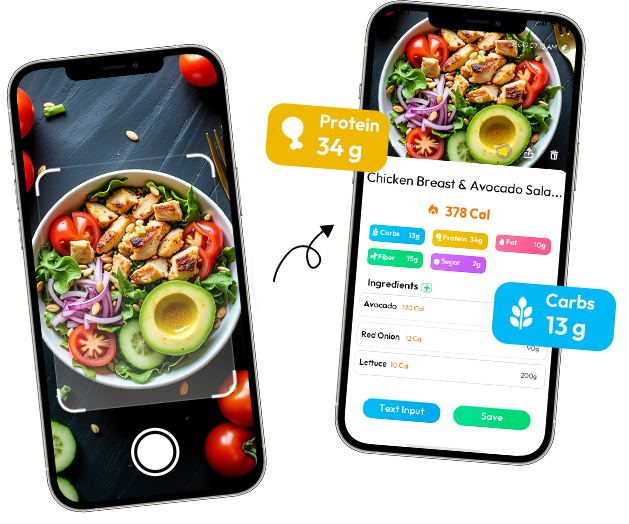
Food AI can identify visible meal components and provide a calorie and nutrition estimate to review before logging.
Explore the relevant Food AI tool →